Find out how Hanan Hamad from the School of Pharmacy and NHS has used Blackboard’s AI Design Assistant to enhance student engagement in MPharm ‘Prescribing in Practice’ workshops.
Overview
To improve student engagement with pre-session learning materials, Blackboard’s AI Design Assistant was used to redesign the online learning environment for a Prescribing in Practice workshop within the MPharm programme. The redesigned Blackboard page resulted in increased student engagement, attendance and highly positive student feedback.
Objectives
The activity aimed to:
- Increase student engagement with pre-session Blackboard materials;
- Improve attendance at Prescribing in Practice;
- Create a more attractive and intuitive online learning environment;
- Encourage active learning through AI-generated formative knowledge checkers,
- Evaluate the impact of the Blackboard AI Design Assistant on student engagement and learning experience.
Context
Prescribing in Practice workshops are delivered to MPharm students to develop clinical examination, patient assessment and prescribing skills in preparation for Objective Structured Clinical Examinations (OSCEs). Despite their importance, student engagement with pre-session Blackboard materials and workshop attendance had been lower than anticipated, prompting exploration of strategies to enhance participation.
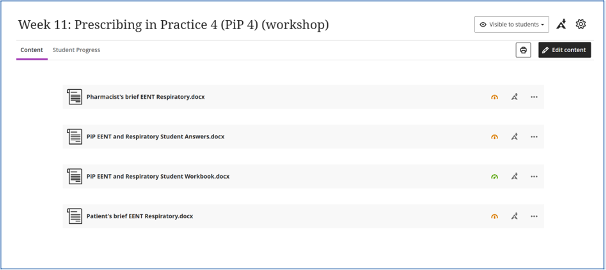
Figure 1: Blackboard page prior to using the AI Design Assistant tool.

Figure 2: Student engagement with the page prior to using AI assistant tool.
Implementation
Following attendance at a CQSD TEL workshop introducing Blackboard’s AI Design Assistant, I redesigned the Blackboard session page for one Prescribing in Practice workshop. Rather than uploading resources within a standard folder structure, the AI Design Assistant created a visually engaging, well-organised learning page with clearly structured content and improved navigation.
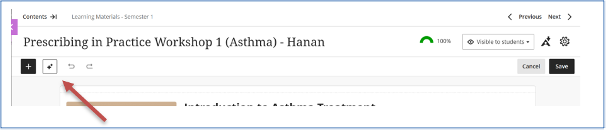
Figure 3: Where to find AI assistant tool.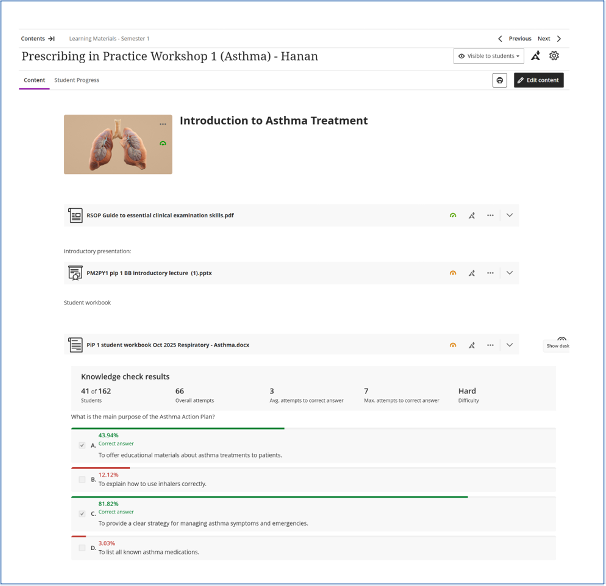
Figure 4: designing the page with the AI Assistant tool.
I also used the AI-generated Knowledge Checker to create formative multiple-choice questions based on the uploaded learning materials. Students were encouraged to complete these activities before attending the face-to-face workshop to reinforce key concepts and .identify areas requiring further study.
Student engagement with the Blackboard page was monitored using Blackboard Analytics and compared with a previous delivery of the same workshop where the AI Design Assistant had not been used. Attendance data and student feedback collected after the workshop were also reviewed to evaluate the overall impact of the redesigned online learning environment.
Impact
The redesigned Blackboard page was associated with a marked improvement in student engagement. Blackboard Analytics showed that 76.5% of students accessed the AI-designed learning page compared with 40.1% for the equivalent workshop without AI support.
 Figure 5: students’ engagement after using AI assistant tool
Completion rates also increased from 9.2% to 11.7%. Workshop attendance improved to 73.8% from 61.3%, suggesting that greater engagement with pre-session materials encouraged participation in face-to-face teaching.
Student feedback was overwhelmingly positive, with learners describing the workshop as engaging, well organised and highly relevant to clinical practice. Many valued the opportunity to practise prescribing and clinical decision-making within realistic scenarios, while also appreciating the supportive teaching approach.
Reflections
This initiative demonstrated that relatively small changes to the presentation of online learning materials can positively influence student engagement. The Blackboard AI Design Assistant significantly reduced the time required to create an attractive and structured learning environment while maintaining full academic control over the educational content. The AI-generated Knowledge Checker was an unexpected benefit, providing students with an accessible method of self-assessment before attending the workshop.
Although improvements in engagement and attendance cannot be attributed solely to the AI Design Assistant, the combination of enhanced online resources and interactive face-to-face teaching appeared to support better student preparation and participation.
Follow up
Student suggestions, including providing additional guidance during prescribing exercises and making supporting resources easier to locate, will inform future iterations of the workshop. I intend to extend the use of Blackboard AI Design Assistant across other clinical skills sessions and continue evaluating its impact on student engagement and learning outcomes.
Further information
CQSD TEL guidance: Blackboard AI Design Assistant